Pop culture used to have gatekeepers. Now it has group chats.
Somewhere between a bedroom in Manila and a laptop in Nashville, the old machinery of the music industry quietly lost its monopoly. Independent artists didn’t storm the castle — they built a new one next door, and it’s got better wifi.
The Death of the Middleman
For decades, “making it” meant getting picked. A&R reps held the keys. Radio programmers decided what millions would hear on a Tuesday morning drive.
That model is on life support.
Direct-to-fan tools and social algorithms flattened the hierarchy almost overnight. An artist in their childhood bedroom can now reach the same phone screens as a major-label rollout — sometimes with more authenticity behind it.
This isn’t a niche trend anymore. It’s the dominant current running underneath everything mainstream pop borrows from.
Why Fans Trust Independents More
Audiences, especially younger ones, have developed an allergy to anything that smells manufactured. They can spot a corporate playlist pitch from a mile away.
Independent artists tend to sell something harder to fake: proximity. A voice memo demo. A caption that admits the song came from a bad breakup, not a boardroom brainstorm.
That closeness builds a kind of loyalty labels spent millions trying to simulate through focus groups.
The Streaming Era Rewrote the Rules of Discovery
Here’s the part that gets underplayed: none of this works without the infrastructure quietly running underneath it. The evolution of music streaming platforms gave unsigned artists a shot at algorithmic discovery that used to belong exclusively to major-label marketing budgets.
Playlist placement, once a favor granted by industry insiders, is now something a good song can earn on merit alone — or at least on merit plus a decent understanding of how release-day algorithms behave.
That shift alone rewired who gets heard first.
Genre-Blending as a Business Strategy, Not Just an Aesthetic Choice
Major labels historically loved genre lanes because lanes are easy to market. Independent artists never got that memo, and honestly, they didn’t need to.
Bedroom pop borrows from lo-fi hip-hop. Hyperpop steals distortion techniques from metal. Afrobeats and amapiano rhythms are showing up in songs that have nothing to do with their country of origin, remixed by producers who found the sound on a random YouTube rabbit hole at 2 a.m.
This blending isn’t accidental chaos. It’s a survival skill.
- Discoverability: Algorithms reward sonic novelty over safe repetition.
- Community-building: Niche micro-genres create tight-knit fanbases that behave more like subcultures than casual listeners.
- Longevity: Artists who refuse to be boxed into one sound have more room to evolve without alienating their audience.
The result? Pop culture itself has become genre-agnostic. Chart-topping songs today borrow so freely from underground scenes that the line between “mainstream” and “independent” has gone blurry.
The Home Studio Revolution Nobody Saw Coming
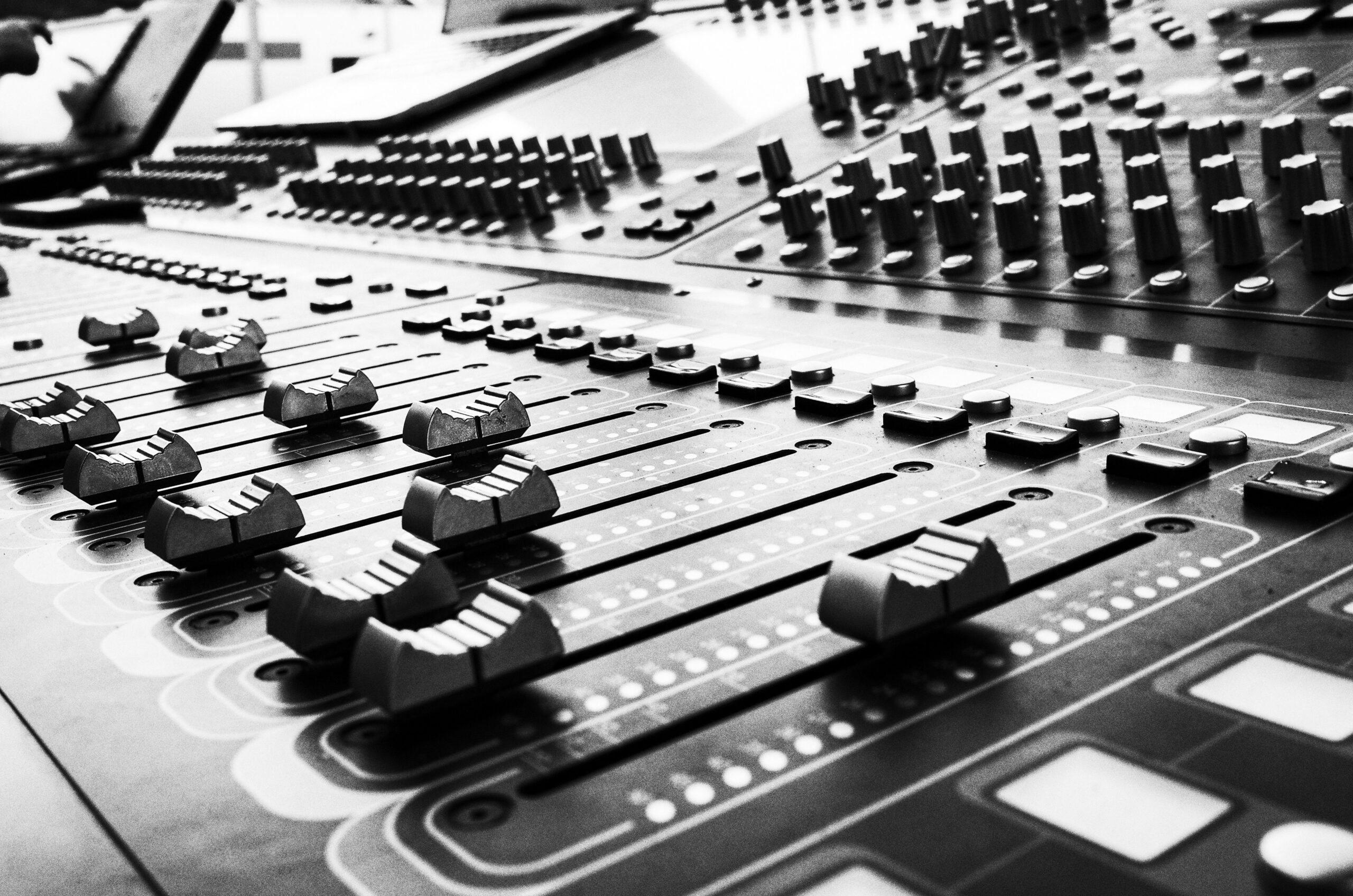
Ten years ago, a proper recording setup meant a loan and a lease on studio time. Now it means a laptop, a decent interface, and patience.
What changed the game wasn’t just software — it was access to genuinely capable premium audio gear at price points that didn’t require a label advance to justify.
The Toolkit of the Modern Independent Artist
A few things separate the artists who break through from the ones who don’t:
- Consistent short-form content that doesn’t feel like an ad
- Direct fan interaction through comments, lives, and Discord servers
- A home setup built around solid monitors, mics, and headphones instead of guesswork
- Smart use of sync licensing for indie films, games, and brand campaigns
Good gear doesn’t make a hit song by itself, obviously. But it removes the ceiling that used to separate “demo quality” from “release quality” — and that ceiling used to be the whole reason labels existed in the first place.
The Aesthetic Shift: DIY Isn’t a Compromise Anymore
There was a time when “lo-fi” meant “we couldn’t afford better.” That era is mostly over.
Now, imperfection is a stylistic choice. Crackling textures, slightly warped vocal takes, cover art that looks hand-drawn rather than studio-polished — these aren’t accidents. They’re branding.
Independent artists have essentially aestheticized scarcity, turning limited budgets into a signature look and sound that major-label polish can’t replicate, no matter how much money gets thrown at it.
Visual Identity Matters as Much as the Music
Album art, merch design, even the font choice on a streaming Canvas clip — all of it contributes to an artist’s world-building. Fans aren’t just streaming a song; they’re buying into a whole visual universe.
This is where a lot of independent artists quietly outshine bigger acts. They have creative control that a label contract would strip away in a heartbeat.
Money, Ownership, and the New Power Dynamic
Here’s the part that actually keeps industry executives up at night: independent artists are keeping more of their revenue and, more importantly, their masters.
Owning your masters used to be a privilege reserved for the already-famous. Now it’s practically the default for anyone starting a career from scratch.
This shift has quietly rewritten who holds leverage in the music business. Labels are chasing artists now, not the other way around, and that dynamic alone has reshaped what “success” even looks like.
What This Means for Pop Culture at Large
When independent artists control their own sound, their own release schedule, and their own narrative, pop culture stops being a top-down broadcast. It becomes a conversation.
The mainstream doesn’t dictate anymore. It reacts.
Every viral bedroom-pop breakout, every regional sound that suddenly goes global, every DIY visual trend that gets copied by a major-label rollout six months later — that’s the tell. The center of gravity moved.
The Sound of What’s Next
Pop culture’s next decade won’t be defined by a single dominant label roster or a handful of radio-approved singles. It’ll be defined by scattered pockets of independent creativity colliding, remixing, and occasionally going massive overnight.
Nobody knows exactly where the next sound is coming from. That unpredictability, weirdly enough, is the whole point.
Independent artists didn’t just find a workaround to the old system. They built something the old system never anticipated — and it’s still evolving faster than anyone can keep up with.