Author: SQM

  • A Deep Dive into “Alone Again” by Selvi Quinlan: The Haunting Ache of Fleeting Moments

    There is a unique kind of sorrow that follows a beautiful, fleeting encounter. It is the bittersweet space where the warmth of someone’s presence is suddenly replaced by the cold reality of their absence. This precise, mixed emotional state is what powers Alone Again,” the poignant opening track of the 2025 album Makeup Remover by Selvi Quinlan. If you haven’t explored the full sonic landscape of this project yet, you can view the complete discography on the official Selvi Quinlan Homepage.

    Unlike songs that deal with long-term breakups, “Alone Again” focuses heavily on the immediate aftermath of a short but deeply impactful moment spent together. It captures that exact drive home, or that quiet evening right after saying goodbye, where the echo of their laughter still lingers in your room, making the sudden isolation feel incredibly heavy.

    The Anatomy of Longing After a Brief Encounter

    The lyrics dive into the complexity of human connection—how a mere few hours or days with someone can trigger an overwhelming wave of longing. It highlights the difficulty of separating your mind from a loved one when your heart is still anchored to the brief memories you just created.

    Sonic Vibe and Atmosphere

    Musically, the track mirrors its lyrical depth. Built on an atmospheric foundation, the arrangement feels deliberately spacious, allowing the listener to step into the artist’s shoes. The vulnerability in the vocals acts as a mirror to the soul, stripping away all superficial layers— a core concept that defines the entire narrative of the Makeup Remover album.

    Every melody in this track serves as a pipeline for raw emotion, transferring the weight of heartbreak and beautiful longing directly to the audience. It is an anthem for anyone who has ever held someone close, only to watch them leave too soon, leaving behind an empty space that words can barely fill.

    The Foundation of a Larger Story

    As the opening track, “Alone Again” serves as the perfect emotional catalyst for the rest of the album. It sets the baseline for the themes of grief and letting go that unravel in subsequent tracks like Heartfelt Valentine and Lost In Time.

    To follow the complete artistic journey, read upcoming song analyses, or explore the visual art connected to this release, make sure to keep tabs on selviquinlan.com as more behind-the-scenes stories are uncovered.

  • Living in the Gray: Analyzing the Emotional Exhaustion of Selvi Quinlan’s “You and Me”

    The hardest part of a relationship isn’t always a dramatic screaming match; often, it is the quiet, draining realization that you are pouring energy into a space that cannot grow. Serving as one of the most brutally introspective and raw tracks on the Makeup Remover #2 record, Selvi Quinlan’s You and Me is a heavy emotional study of relationship strain, fundamental differences, and the ultimate exhaustion of trying to save a fading connection. For fans wanting to track how this somber milestone fits into the wider trilogy, you can view the complete musical catalog on the official Selvi Quinlan Music Hub.

    The Metaphor of “Keep Watering” a Painful Place

    You and Me” strips away all romantic illusions, opening with the stark and painful admission that the relationship has officially become a “painful place to live in.” The lyrics dive headfirst into the heavy cloud of uncertainty hanging over the couple’s future.

    The emotional centerpiece of the track relies on a brilliant, heartbreaking metaphor: the struggle of deciding whether to “keep watering” a connection that shows no signs of blooming. It beautifully captures the internal tug-of-war of wanting to fight for love while realizing that your efforts are running on absolute empty, making the listener question when care crosses over into self-destruction.

    Navigating the Uncertain “Gray Area”

    A major narrative theme running through the track is the complete lack of clarity between the two individuals. The lyrics explicitly emphasize that their dynamic is completely far from simple, describing their love as something that is definitely “not black and white” but rather permanently trapped in a confusing, unstable “gray area.”

    This gray area represents the agonizing limbo where rules don’t exist, promises are blurry, and both partners feel like they are speaking entirely different languages. It paints a vivid picture of two people who love each other but are fundamentally too different to ever find a stable, peaceful common ground.

    The Exhaustion of Unmatched Effort

    Lyrically, the song doubles down on the intense emotional toll of unmatched expectations. The artist exposes the sheer exhaustion of pouring every ounce of your energy into a partner, only to face the brutal reality that you can never dictate, force, or control someone else’s best efforts.

    The song serves as a painful awakening about human boundaries—acknowledging that sometimes, your absolute best still won’t be enough to change someone who isn’t ready to meet you halfway. It leaves the audience sitting in a quiet, heavy space of emotional burnout and slow, difficult acceptance.

    An Unfiltered Look at Relational Decay

    By refusing to give the audience a fake, happy ending, “You and Me” stands out as a critical narrative anchor in the tracklist. It proves that the Makeup Remover philosophy isn’t just about celebrating freedom, but about documenting the exhausting, muddy process of realizing a love has run its course.

    To read the final track breakdowns of this era, stream high-quality official audio player embeds, or discover new art journals, make sure to visit selviquinlan.com regularly as the timeline continues to unfold.

  • The Weight of Ambition: Dissecting the Artistic and Relational Struggle in Selvi Quinlan’s “Loving You Is Hard”

    True intimacy rarely fails because of a lack of love; more often, it fractures under the heavy weight of life, distance, and personal ambition. Standing tall as one of the most intellectually rich and emotionally vulnerable tracks on the Makeup Remover #2 record, Selvi Quinlan’s Loving You Is Hard is a stunning acoustic study of self-discovery, creative pressure, and the agonizing difficulty of balancing big dreams with reality. For listeners looking to trace how this artistic milestone connects to the wider trilogy, the complete discography is open to explore on the official Selvi Quinlan Music Hub.

    The Paradox of Self-Discovery and Missing the Past

    Loving You Is Hard” opens by throwing the listener straight into an internal crisis of identity. The lyrics reflect a desperate, burning desire to completely “start over” and break out into someone entirely new.

    However, this transition triggers a unique kind of grief—the painful reality of missing your past self. The narrative beautifully highlights the struggle of moving forward when you are still haunted by the ghost of who you used to be, proving that the hardest part of personal growth is leaving old comfort zones behind.

    The Conflict of Ambition: The Creative’s Curse

    A massive lyrical standout in this song is its focus on the creative struggle. The narrator openly wrestles with the high-stakes pressure of being a creator and playwright, detailing the constant, suffocating fear of creative failure.

    The track exposes the dark reality of trying to separate your personal artistic dreams from everyday life and bitterness. It highlights how creative obsession can bleed into a relationship, creating a silent friction where the partner is forced to compete with the artist’s work, ambition, and internal pressure.

    A Fragile Love Born Across Two Different Worlds

    Lyrically, the song transitions from creative burnout into the terrifying intensity of modern romance. The relationship is described as something that feels almost “too good to be true,” highlighting the deep fear and vulnerability that comes with letting someone fully see you.

    The emotional stakes grow even higher as the song touches on the pain of physical separation. The couple is forced to navigate two completely different worlds, trying desperately to maintain their bond while being pulled apart by life’s demands. The track concludes on a deeply bittersweet note, acknowledging that despite a profound connection, reality and timing can carry two souls in completely separate directions.

    A Masterclass in Vulnerable Songwriting

    By directly bridging the gap between artistic ambition and romantic struggle, “Loving You Is Hard” elevates the album into a highly sophisticated narrative. It stands as an anthem for modern dreamers who know that sometimes, loving someone requires surviving the chaos of your own dreams.

    To read the final track analyses of this era, stream high-quality official audio player embeds, or discover new art journals, make sure to visit selviquinlan.com regularly as the timeline continues to unfold.


  • A Celebration of Devotion: Analyzing the Tender Radiance of Selvi Quinlan’s “Happy Birthday My Love”


    The most profound expressions of love are often found not in dramatic grand gestures, but in the quiet desire to share everyday moments and milestones with someone special. Serving as a beautifully warm, light-filled oasis within the emotionally heavy tracklist of the Makeup Remover #2 record, Selvi Quinlan’s Happy Birthday My Love emerges as a heartfelt tribute centered entirely on pure affection, enduring friendship, and the joy of birthdays. For fans looking to experience how this sentimental track balances the narrative arc of the trilogy, the complete discography is open to explore on the official Selvi Quinlan Music Hub.

    The Pure Desire for Lifelong Togetherness

    Happy Birthday My Love” strips away the cynicism of modern romance, choosing instead to dive headfirst into a pool of unconditional devotion. The lyrics paint a vivid picture of a deep, grounding connection, conveying an intense, burning yearning to permanently remain by a loved one’s side.

    Rather than focusing on the temporary thrill of infatuation, the song explores the mature desire to actively share every single calendar day together—building a quiet, shared life that can withstand the test of time, distance, and chaotic external circumstances.

    Whispering Intimacy: Taking You to the Moon and Back

    Musically and lyrically, the composition shines brightest through its incredibly intimate imagery. The singer beautifully describes a passionate desire to carry their partner “to the moon and back,” elevating the romantic stakes of the track.

    However, the song expertly grounds this massive, sweeping statement by focusing on tiny, hyper-specific moments of shared intimacy—such as quietly watching a loved one blow out their birthday candles. It highlights how a massive, cosmic love is ultimately anchored in these small, simple, and unscripted memories that words can barely describe.

    A Soul-Warming Birthday Blessing

    The absolute centerpiece of the song is its deeply affectionate, anthemic chorus, which serves as a literal, melodic birthday card. The lyrics warmly wish for the partner’s deepest “dreams” to finally materialize, praying for a soul-warming year ahead filled to the brim with beautiful adventures, endless laughter, and unconditional care.

    Produced and beautifully performed by Selvi Quinlan, the track relies on a highly sentimental, acoustic-leaning melodic composition. It leaves the listener enveloped in a blanket of absolute emotional safety, safety, and pure romantic bliss.

    A Essential Ray of Light in the Trilogy

    By placing a song of such pure, uncomplicated devotion near the end of the record, Makeup Remover #2 delivers a brilliant narrative reminder: despite the exhausting trials of the creative process and the inevitable gray areas of relationships, a love built on genuine friendship and mutual gratitude is always worth fighting for.

    To read the final track analyses of this era, stream high-quality official audio player embeds, or discover upcoming 2026 art journals, make sure to check back and visit selviquinlan.com frequently for regular updates.


  • The Beautiful Architecture of Closure: Analyzing the Grand Finale in Selvi Quinlan’s “Moment in Time”

    The hardest part of a relationship isn’t always the immediate goodbye; it is the long, internal process of accepting that a love was meant to be a chapter, not the entire book. Serving as the grand, emotionally devastating, and deeply mature conclusion to the Makeup Remover #2 record, Selvi Quinlan’s Moment in Time is a spectacular study of relationship closure, lingering fondness, and the bittersweet choice to step into separate futures. To experience the complete narrative arc of this musical era from its opening tracks to this final note, the full catalog is open to explore on the official Selvi Quinlan Music Hub.

    Reflecting on a Shared History: The Beautiful and the Painful

    Moment in Time” opens in a quiet, heavily reflective space, forcing the listener to stand with the narrator amidst the ruins of a profound relationship. The lyrics dive straight into a deep audit of the past, openly acknowledging the massive, undeniable impact this connection had on the singer’s life.

    Rather than filtering out the bad or romanticizing the good, the narrative embraces the raw duality of their shared history. It honors both the blissful, sunlit memories and the deeply painful nights that defined their era together. It highlights how a past lover permanently shapes your identity, proving that a love doesn’t have to be permanent to be completely life-altering.

    Choosing the “Safe” Path and the Urgent Need to Move On

    A major narrative theme running through the track is the heartbreaking but necessary realization that the relationship has officially run its course. Despite the heavy, magnetic pull of lingering feelings, the narrator faces the brutal truth that both individuals urgently need emotional space to grow in completely different directions.

    The lyrics touch on a deeply empathetic form of acceptance, analyzing the partner’s choice to take a “safe” path. The artist expresses a profound, mature understanding of the other person’s decision to prioritize their own future and stability, even though that exact prioritization leaves a gaping, painful wound in the present. It is an anthem for anyone who has ever had to smile through the tears while watching someone they love choose a path that doesn’t include them.

    The Ultimate Release: “We Were a Moment in Time”

    The absolute emotional and philosophical peak of the entire album anchors itself in the haunting, comforting refrain: “we were a moment in time.” This single line serves as a massive psychological breakthrough for the listener.

    Instead of bitter resentment, the phrase acts as a gentle, permanent reminder to deeply cherish what they once built, even while fully surrendering to the fact that their season together has officially closed. It transforms the tragedy of an ending into a peaceful, timeless archive—a quiet declaration that what they had was real, beautiful, and completely safe from the erosion of time, even if it has to exist solely in memory.

    A Satisfying Resolution to the Narrative Arc

    By closing the record on a note of such graceful, clear-eyed acceptance, “Moment in Time” successfully ties together every single emotional thread running through the Makeup Remover series. It proves that the ultimate goal of stripping away the makeup isn’t to hold onto a painful reality, but to uncover the peace, resilience, and wisdom required to let go without regrets.

    To read the track-by-track reviews of the entire trilogy, stream official high-quality audio player embeds, or discover upcoming creative art journals, make sure to visit and bookmark selviquinlan.com for regular updates.

  • The Art of Creative Wandering: How Music, Photography, and Travel Shape the Modern Artistic Soul

    The Art of Creative Wandering: How Music, Photography, and Travel Shape the Modern Artistic Soul

    For the true independent creator, the world is not just a geographical map—it is a continuous symphony of sights, raw frequencies, and visual stories waiting to be captured. In a fast-paced digital era dominated by mass-produced algorithms, a growing subculture of modern visual enthusiasts and independent songwriters are embracing a lifestyle known as creative wandering. This is the delicate art of using global travel, acoustic exploration, and artistic photography to feed one’s soul and fuel authentic human expression.

    To travel with an artistic lens is to understand that every destination carries its own distinct heartbeat. An independent music composer does not merely visit a city; they listen to its ambient frequencies. The distant echo of a street performer in Rome, the rhythmic hum of a subway train in Tokyo, or the quiet rustle of wind through a Balinese forest all serve as raw auditory canvas pieces. These organic field recordings frequently spark the melody for an original song creation, turning a fleeting travel moment into a timeless piece of independent audio art.

    However, sound is only one half of the creative equation. Photography acts as the visual anchor to these acoustic journeys. Capturing the soul of an unfamiliar city through urban street photography requires patience, mindfulness, and a deep appreciation for fine art. A striking photograph acts like a silent melody. The play of shadows on colonial architecture, the candid emotion of a local artisan, or the dramatic lighting of a golden hour sunset all mimic the crescendos and decrescendos of a musical track. When an artist pairs an original song with an authentic travel photo collection, they create an immersive, multi-sensory story that resonates deeply with a global audience.

    Ultimately, living a life dedicated to music, art, songwriting, and travel is about breaking away from the static noise of everyday life to discover new frequencies. It is an intentional choice to live creatively and share authentic human experiences with the world. By stepping outside our comfort zones with a camera in hand and a melody in our head, we don’t just see the world—we actively participate in its beautiful, ongoing composition.

  • Aesthetic Minimalist Wardrobe: Sustainable Fashion Tips for the Modern Professional

    Aesthetic Minimalist Wardrobe: Sustainable Fashion Tips for the Modern Professional

    The most powerful thing hanging in your closet might be the empty space around it.

    A minimalist wardrobe isn’t about owning less for the sake of restriction. It’s about owning exactly enough — pieces that fit, flatter, and function across every version of your week. For the modern professional, that’s not a trend. It’s a quiet form of authority.

    Why Minimalism Became the New Status Symbol

    There was a time when a packed closet signaled success. Now, discernment reads as far more sophisticated than volume ever did.

    Executives, creatives, and founders alike are gravitating toward tighter edits — fewer garments, sharper choices, better fabrics. It photographs cleaner. It thinks faster in the morning. It ages better, both on the body and in the closet.

    The Psychology of Fewer, Better Things

    Decision fatigue is real, and your closet is often the first battlefield of the day. A curated wardrobe removes the guesswork before your brain has even finished its coffee.

    Fashion psychologists have long noted that constrained choice — a handful of excellent options rather than fifty mediocre ones — actually increases satisfaction with what you wear. Less becomes, quite literally, more.

    Building the Capsule: Where to Actually Start

    Forget the Pinterest boards promising a “10-piece wardrobe.” Start with your life, not a template.

    Look at your last thirty days. What did you reach for repeatedly? What sat untouched, tags still attached, silently judging you from the back of the closet?

    The Core Categories Every Professional Needs

    • One exceptional blazer in a neutral tone that pairs with nearly everything
    • Two or three tailored trousers in versatile, season-spanning fabrics
    • A handful of quality knitwear pieces that layer well under structure
    • Crisp button-downs in white, ivory, or soft blue
    • One statement coat worth the investment, since outerwear does the heavy visual lifting

    Quality over quantity isn’t a cliché here — it’s math. Five garments worn forty times each outperform twenty garments worn twice.

    Choosing Fabric Like It’s an Investment Portfolio

    Cheap synthetic blends pill, sag, and end up in landfill within a year. Natural fibers age instead of degrading.

    Look for organic cotton, responsibly sourced wool, linen, and Tencel. These materials soften and improve with wear rather than falling apart under it.

    Reading Labels Like a Professional

    Certifications matter more than marketing language ever will. GOTS (Global Organic Textile Standard), OEKO-TEX, and Fair Trade Certified are worth learning to spot on a hangtag.

    Brands committed to genuine sustainability tend to be transparent about sourcing, dyeing processes, and factory conditions — not vague about them. If a label can’t tell you where a garment was made, that silence is information too.

    The Color Palette That Works Overtime

    Minimalist wardrobes thrive on a restrained palette: black, white, camel, navy, and one or two accent tones that reflect your personal signature.

    This isn’t about being boring. It’s about engineering maximum mix-and-match potential from minimum pieces.

    Building Your Signature Neutral Base

    Pick a dominant neutral — say, camel or charcoal — and build outward. Every new piece should earn its place by pairing with at least three existing items.

    A single scarf or accessory in an unexpected hue can do more visual work than an entire “statement outfit” ever could.

    Where Sustainability Meets Style

    Choosing wisely doesn’t mean sacrificing polish. Some of the most elegant garments on runways today come from labels built entirely around ethical production.

    Exploring a curated list of [SUSTAINABLE APPAREL BRANDS] is often the fastest way to shortcut the research most people spend months doing on their own. Quality sustainable fashion has moved far past the scratchy-linen stereotype of a decade ago.

    Small Brands Are Rewriting the Rules

    Independent designers, unburdened by mass-production pressure, are often the ones pushing fabric innovation the hardest. Recycled cashmere, deadstock silk, plant-based leather alternatives — the smaller the label, sometimes the bolder the material experimentation.

    Supporting these brands isn’t charity. It’s simply better design, made by people paying closer attention.

    Accessories: The Quiet Power Move

    A minimalist wardrobe leans hard on accessories to create variation without adding clutter to the closet itself.

    • A structured leather tote that transitions from meetings to dinner
    • One fine gold or silver watch, worn daily until it becomes part of your identity
    • A silk scarf that can double as a bag accent, hair wrap, or neck piece
    • A single pair of elevated sunglasses that outlasts every trend cycle

    Rotating a small set of minimalist fashion accessories gives even a five-outfit wardrobe the illusion of twenty distinct looks. The accessories do the storytelling; the garments provide the canvas.

    Caring for Fewer Garments So They Last Longer

    When your wardrobe shrinks, every single piece works harder — which means care routines suddenly matter enormously.

    Cold water washes, air drying, cedar blocks against moths, and proper garment bags for travel all extend a piece’s usable life by years, not months.

    The Repair-First Mentality

    A loose button or a small tear used to mean a trip to the donation bin. Now, it means a trip to a tailor.

    Mending clothing rather than replacing it is quietly one of the most sustainable habits a professional can adopt, and it costs a fraction of buying new.

    Dressing for Longevity, Not Just the Season

    Trend cycles move fast, but a well-built minimalist wardrobe is designed to sidestep that churn entirely.

    Ask, before every purchase, whether a piece will still feel relevant in five years. If the answer wavers, that hesitation is usually the honest answer.

    The Quiet Confidence of Owning Less

    A minimalist wardrobe isn’t about deprivation. It’s about clarity — walking into a closet every morning that reflects exactly who you are, without static or noise.

    The modern professional doesn’t need more options. They need better ones, chosen with intention and worn until they’ve earned every mile.

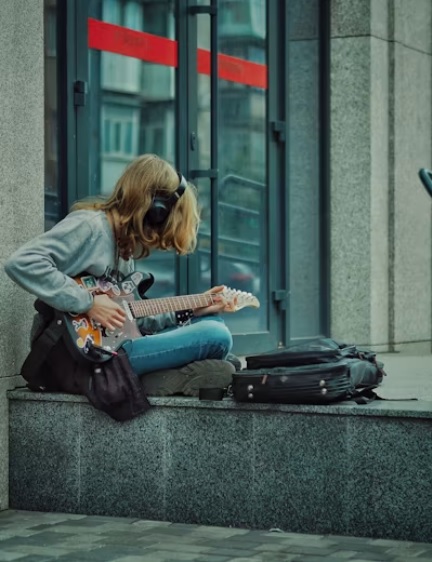
  • Capturing the Soul of the City: A Beginner’s Guide to Urban Travel Photography

    Capturing the Soul of the City: A Beginner’s Guide to Urban Travel Photography

    Every city has a pulse, and it rarely shows up in the postcard shot.

    It’s in the steam rising off a food cart at dawn, the way light fractures through a subway grate, the stranger laughing on a stoop who has no idea they just became the best frame of your trip. Urban photography isn’t about documenting landmarks. It’s about catching a place mid-breath.

    Why the City Refuses to Sit Still

    Nature photography rewards patience. Cities reward instinct.

    A alleyway that looks like nothing at noon can transform into pure cinema by 6 p.m., when the light turns gold and slants sideways between buildings. Learning to read that shift — and to be standing there when it happens — is half the craft.

    The other half is accepting that you’ll miss plenty of shots. That’s not failure. That’s just how a living, breathing city operates.

    The Mindset Shift Every Beginner Needs

    Stop hunting for “the shot.” Start noticing textures, gestures, and gaps in the crowd.

    Skilled street photographers describe it almost like fishing — you cast your attention wide, stay alert, and trust that something will bite. Forcing a composition rarely works nearly as well as waiting for one to arrive.

    Gear That Won’t Weigh You Down

    Nobody wants to lug a studio setup through eight miles of cobblestone. The best urban photography kit is the one you’ll actually carry.

    • A lightweight mirrorless body with a fast, quiet shutter for candid moments
    • One versatile prime lens (35mm or 50mm) instead of three lenses you’ll never swap fast enough to use
    • A compact, well-reviewed option from compact travel cameras if you want serious image quality without the bulk of a full kit
    • An extra battery and a fast memory card — cities drain both faster than you’d expect
    • A cross-body strap, because a bag slung over one shoulder becomes a liability in a crowded market

    Minimalism isn’t a compromise here. It’s a strategy. The lighter your setup, the faster you react, and reaction speed is everything in street work.

    Phone vs. Camera: The Honest Answer

    Your phone is genuinely capable, especially in good light. But it struggles in the low-light, high-contrast conditions that define most interesting urban scenes.

    If photography is more than a passing interest, investing in a dedicated body pays off within the first few rolls of shots you actually love. It’s less about pixels and more about control — over depth, over exposure, over the exact sliver of a moment you want frozen.

    Reading Light Like a Local

    Cities have their own light signature, and it changes block by block depending on building height, glass reflections, and street width.

    Golden Hour Isn’t the Only Hour

    Sunrise and sunset get all the credit, but blue hour — the twenty minutes just after sunset — often produces richer, moodier urban shots. Streetlights start glowing while the sky still holds color, creating a balance daylight can’t match.

    Midday harsh light, usually avoided by portrait photographers, actually works beautifully for architecture. Hard shadows carve buildings into graphic, almost sculptural shapes.

    Chasing Reflections and Puddles

    Rain ruins some trips and makes others. Wet streets turn into mirrors, doubling neon signs and headlights into abstract, painterly compositions.

    Keep your gear protected, obviously, but don’t retreat indoors the second it drizzles. Some of the most striking urban images ever taken happened because someone stayed out five minutes longer than common sense suggested.

    Composition Tricks That Instantly Elevate a Shot

    • Frame subjects within doorways, arches, or windows to add depth
    • Use leading lines — train tracks, crosswalks, building edges — to pull the eye through the image
    • Look for repetition (identical windows, matching umbrellas) and then break the pattern with one outlier
    • Get low or get high; eye-level shots are the ones everyone already has

    The Power of Negative Space

    A single figure against a massive wall of graffiti says more than a busy, cluttered frame ever could. Empty space isn’t wasted space — it’s breathing room that lets the subject actually register.

    Photographing People Without Feeling Like a Creep

    This trips up almost every beginner. The trick is confidence, not stealth.

    Move through a space like you belong there, camera visible, posture relaxed. Skulking around trying to shoot secretly reads as suspicious; walking with purpose reads as normal.

    If someone notices and seems uncomfortable, smile, nod, and move on. A single awkward interaction isn’t worth chasing.

    Building Quick, Respectful Rapport

    Some of the best portraits happen after a thirty-second conversation. Ask before, or ask after, and always be willing to show the photo on your screen if someone’s curious.

    Street photography is a trust exchange, even when it lasts only a few seconds.

    Protecting Yourself and Your Gear While You Shoot

    Long days wandering unfamiliar neighborhoods come with real risk — pickpockets, sudden weather, the occasional dropped lens on concrete.

    Looking into solid travel insurance packages before a big photography trip isn’t paranoia. It’s the same logic as backing up your memory cards: cheap insurance against an expensive mistake.

    A stolen camera bag can end a trip’s creative momentum instantly. Coverage that includes gear replacement takes that particular nightmare off the table.

    Editing With Restraint

    Post-processing should enhance a mood, not manufacture one that wasn’t there.

    Push shadows and highlights gently. Adjust white balance to match what you actually felt standing on that corner, not what looks trendiest in a preset pack.

    Over-editing is the fastest way to make a raw, honest street shot look like stock photography. Resist it.

    The City Rewards Patience and Curiosity

    Urban photography isn’t a formula you master once. It’s a conversation you keep having, block by block, city by city.

    Some days you’ll shoot two hundred frames and keep three. Other days one lucky glance down an alley delivers the image of the whole trip.

    Either way, the city was never posing for you. You just had to be paying attention when it forgot you were there.

  • How Independent Artists are Redefining the Sound of Modern Pop Culture

    How Independent Artists are Redefining the Sound of Modern Pop Culture

    Pop culture used to have gatekeepers. Now it has group chats.

    Somewhere between a bedroom in Manila and a laptop in Nashville, the old machinery of the music industry quietly lost its monopoly. Independent artists didn’t storm the castle — they built a new one next door, and it’s got better wifi.

    The Death of the Middleman

    For decades, “making it” meant getting picked. A&R reps held the keys. Radio programmers decided what millions would hear on a Tuesday morning drive.

    That model is on life support.

    Direct-to-fan tools and social algorithms flattened the hierarchy almost overnight. An artist in their childhood bedroom can now reach the same phone screens as a major-label rollout — sometimes with more authenticity behind it.

    This isn’t a niche trend anymore. It’s the dominant current running underneath everything mainstream pop borrows from.

    Why Fans Trust Independents More

    Audiences, especially younger ones, have developed an allergy to anything that smells manufactured. They can spot a corporate playlist pitch from a mile away.

    Independent artists tend to sell something harder to fake: proximity. A voice memo demo. A caption that admits the song came from a bad breakup, not a boardroom brainstorm.

    That closeness builds a kind of loyalty labels spent millions trying to simulate through focus groups.

    The Streaming Era Rewrote the Rules of Discovery

    Here’s the part that gets underplayed: none of this works without the infrastructure quietly running underneath it. The evolution of music streaming platforms gave unsigned artists a shot at algorithmic discovery that used to belong exclusively to major-label marketing budgets.

    Playlist placement, once a favor granted by industry insiders, is now something a good song can earn on merit alone — or at least on merit plus a decent understanding of how release-day algorithms behave.

    That shift alone rewired who gets heard first.

    Genre-Blending as a Business Strategy, Not Just an Aesthetic Choice

    Major labels historically loved genre lanes because lanes are easy to market. Independent artists never got that memo, and honestly, they didn’t need to.

    Bedroom pop borrows from lo-fi hip-hop. Hyperpop steals distortion techniques from metal. Afrobeats and amapiano rhythms are showing up in songs that have nothing to do with their country of origin, remixed by producers who found the sound on a random YouTube rabbit hole at 2 a.m.

    This blending isn’t accidental chaos. It’s a survival skill.

    • Discoverability: Algorithms reward sonic novelty over safe repetition.
    • Community-building: Niche micro-genres create tight-knit fanbases that behave more like subcultures than casual listeners.
    • Longevity: Artists who refuse to be boxed into one sound have more room to evolve without alienating their audience.

    The result? Pop culture itself has become genre-agnostic. Chart-topping songs today borrow so freely from underground scenes that the line between “mainstream” and “independent” has gone blurry.

    The Home Studio Revolution Nobody Saw Coming

    Ten years ago, a proper recording setup meant a loan and a lease on studio time. Now it means a laptop, a decent interface, and patience.

    What changed the game wasn’t just software — it was access to genuinely capable premium audio gear at price points that didn’t require a label advance to justify.

    The Toolkit of the Modern Independent Artist

    A few things separate the artists who break through from the ones who don’t:

    • Consistent short-form content that doesn’t feel like an ad
    • Direct fan interaction through comments, lives, and Discord servers
    • A home setup built around solid monitors, mics, and headphones instead of guesswork
    • Smart use of sync licensing for indie films, games, and brand campaigns

    Good gear doesn’t make a hit song by itself, obviously. But it removes the ceiling that used to separate “demo quality” from “release quality” — and that ceiling used to be the whole reason labels existed in the first place.

    The Aesthetic Shift: DIY Isn’t a Compromise Anymore

    There was a time when “lo-fi” meant “we couldn’t afford better.” That era is mostly over.

    Now, imperfection is a stylistic choice. Crackling textures, slightly warped vocal takes, cover art that looks hand-drawn rather than studio-polished — these aren’t accidents. They’re branding.

    Independent artists have essentially aestheticized scarcity, turning limited budgets into a signature look and sound that major-label polish can’t replicate, no matter how much money gets thrown at it.

    Visual Identity Matters as Much as the Music

    Album art, merch design, even the font choice on a streaming Canvas clip — all of it contributes to an artist’s world-building. Fans aren’t just streaming a song; they’re buying into a whole visual universe.

    This is where a lot of independent artists quietly outshine bigger acts. They have creative control that a label contract would strip away in a heartbeat.

    Money, Ownership, and the New Power Dynamic

    Here’s the part that actually keeps industry executives up at night: independent artists are keeping more of their revenue and, more importantly, their masters.

    Owning your masters used to be a privilege reserved for the already-famous. Now it’s practically the default for anyone starting a career from scratch.

    This shift has quietly rewritten who holds leverage in the music business. Labels are chasing artists now, not the other way around, and that dynamic alone has reshaped what “success” even looks like.

    What This Means for Pop Culture at Large

    When independent artists control their own sound, their own release schedule, and their own narrative, pop culture stops being a top-down broadcast. It becomes a conversation.

    The mainstream doesn’t dictate anymore. It reacts.

    Every viral bedroom-pop breakout, every regional sound that suddenly goes global, every DIY visual trend that gets copied by a major-label rollout six months later — that’s the tell. The center of gravity moved.

    The Sound of What’s Next

    Pop culture’s next decade won’t be defined by a single dominant label roster or a handful of radio-approved singles. It’ll be defined by scattered pockets of independent creativity colliding, remixing, and occasionally going massive overnight.

    Nobody knows exactly where the next sound is coming from. That unpredictability, weirdly enough, is the whole point.

    Independent artists didn’t just find a workaround to the old system. They built something the old system never anticipated — and it’s still evolving faster than anyone can keep up with.